
Throughout the Master Class, the approach focuses on remedial actions on-the-ground, rather than monetary compensation. In cases involving financial losses (e.g., loss of income or tax), remedies focused on monetary compensation are often appropriate.
However, most environmental cases involve harm to nature and the public interest in nature – for which monetary compensation is a last resort for developing claims. As such, the approach presented here focuses on action that can be taken to help remedy harm.
Livelihood compensation
Fishers were compensated for lost livelihoods following an oil spill.
Increased protected area monitoring
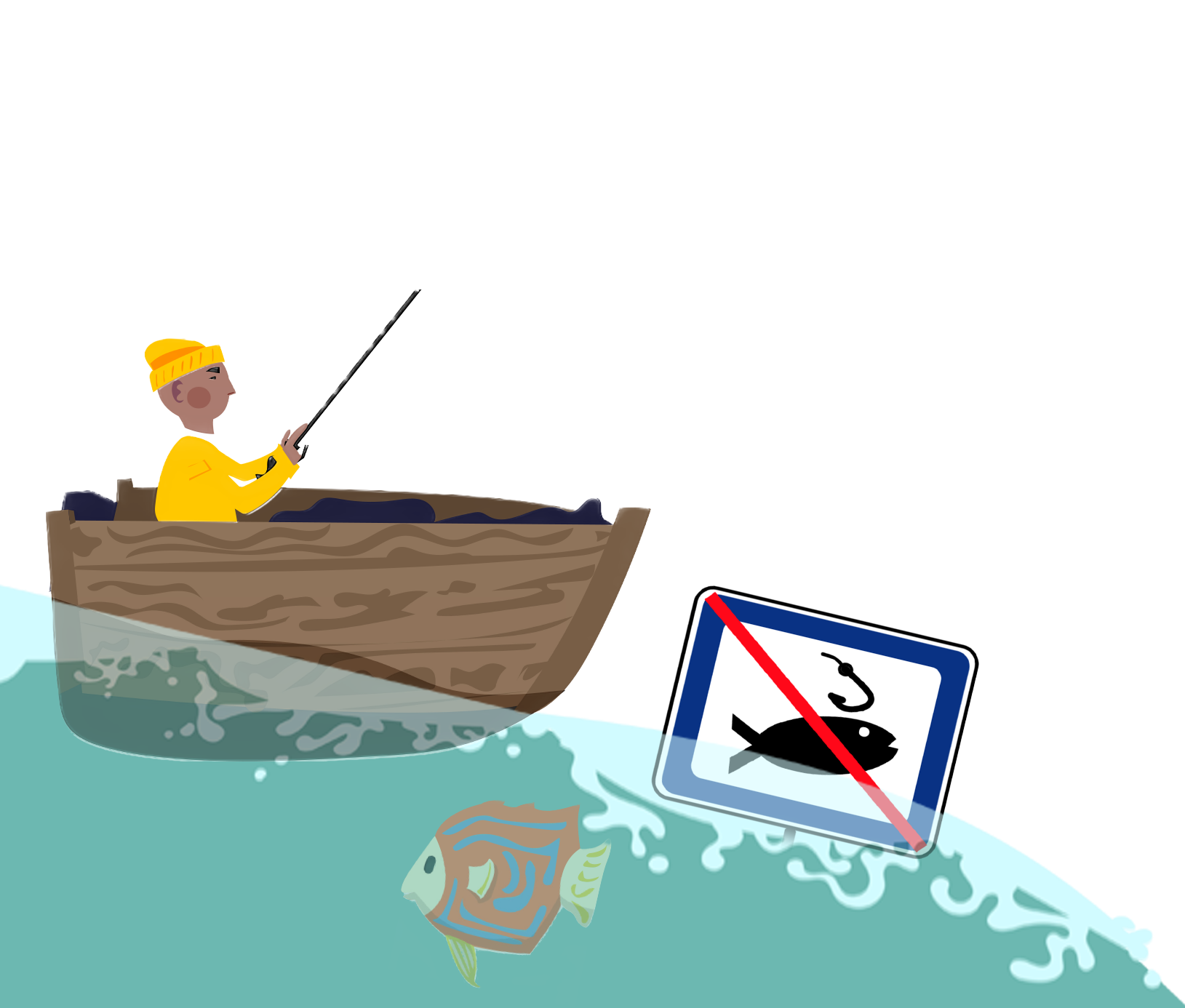
Illegal fishers were ordered to pay for increased monitoring of a marine protected area they had harmed.
Forest restoration
An agricultural company was ordered to pay for the restoration of the site they destroyed.
The Master Class aims to reduce the barriers to the developing liability cases and to increase access to justice. As such, it focuses on pragmatic approaches to developing environmental liability cases that include claims for remedies on-the-ground.
Pollution clean-up and new community garden
A company that buried toxic paint was ordered to clean up the site and fund the creation of an indigenous medicinal garden.
Compensation for biodiversity loss
The Government of Cameroon was compensated by pangolin poachers for harm caused to biodiversity.
Public apology for harm
Rock climbers who defaced a site were ordered to pay compensation and issue a public apology.
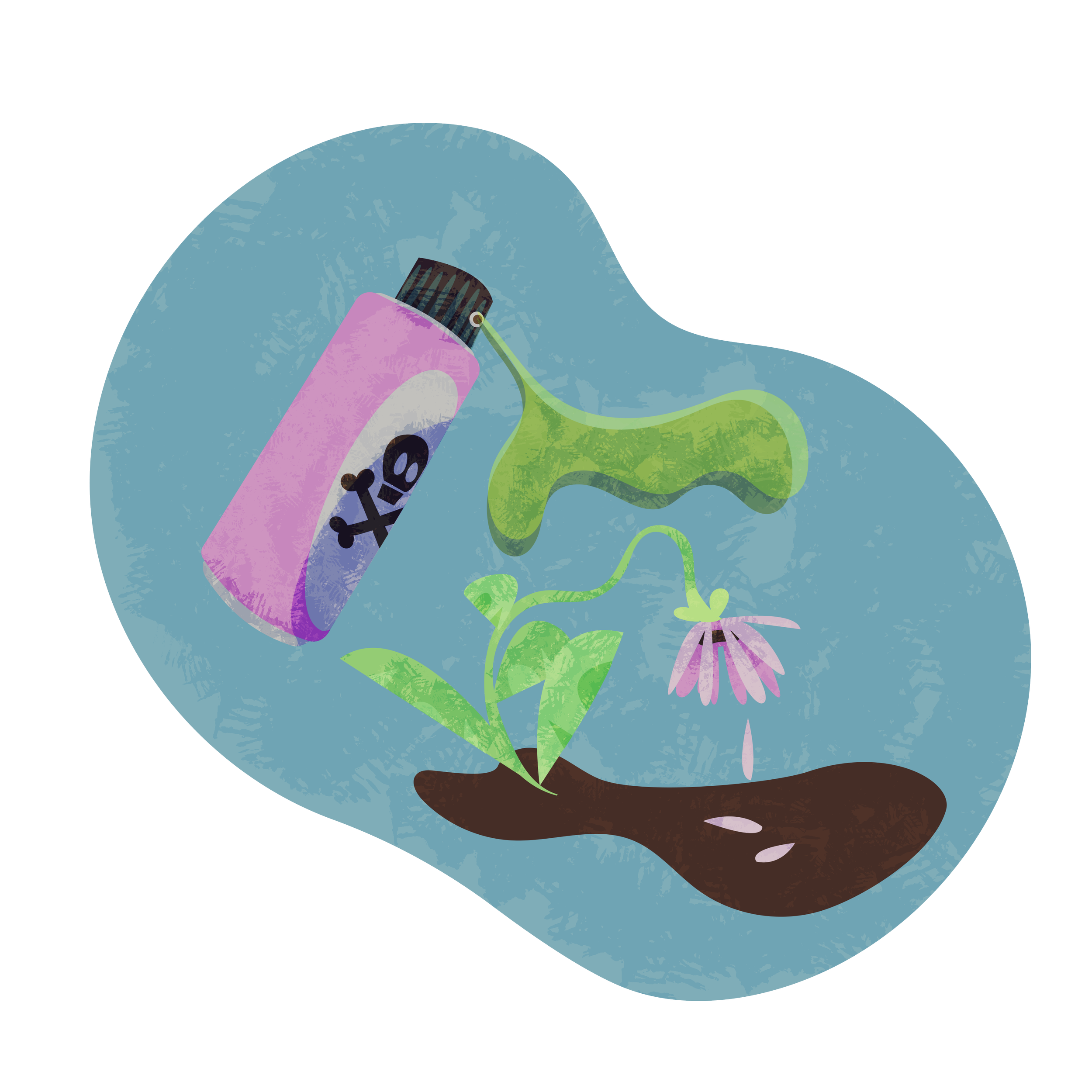
Pollution clean-up and new community garden
A company that buried toxic paint was ordered to clean up the site, and funded the creation of an indigenous medicinal garden.
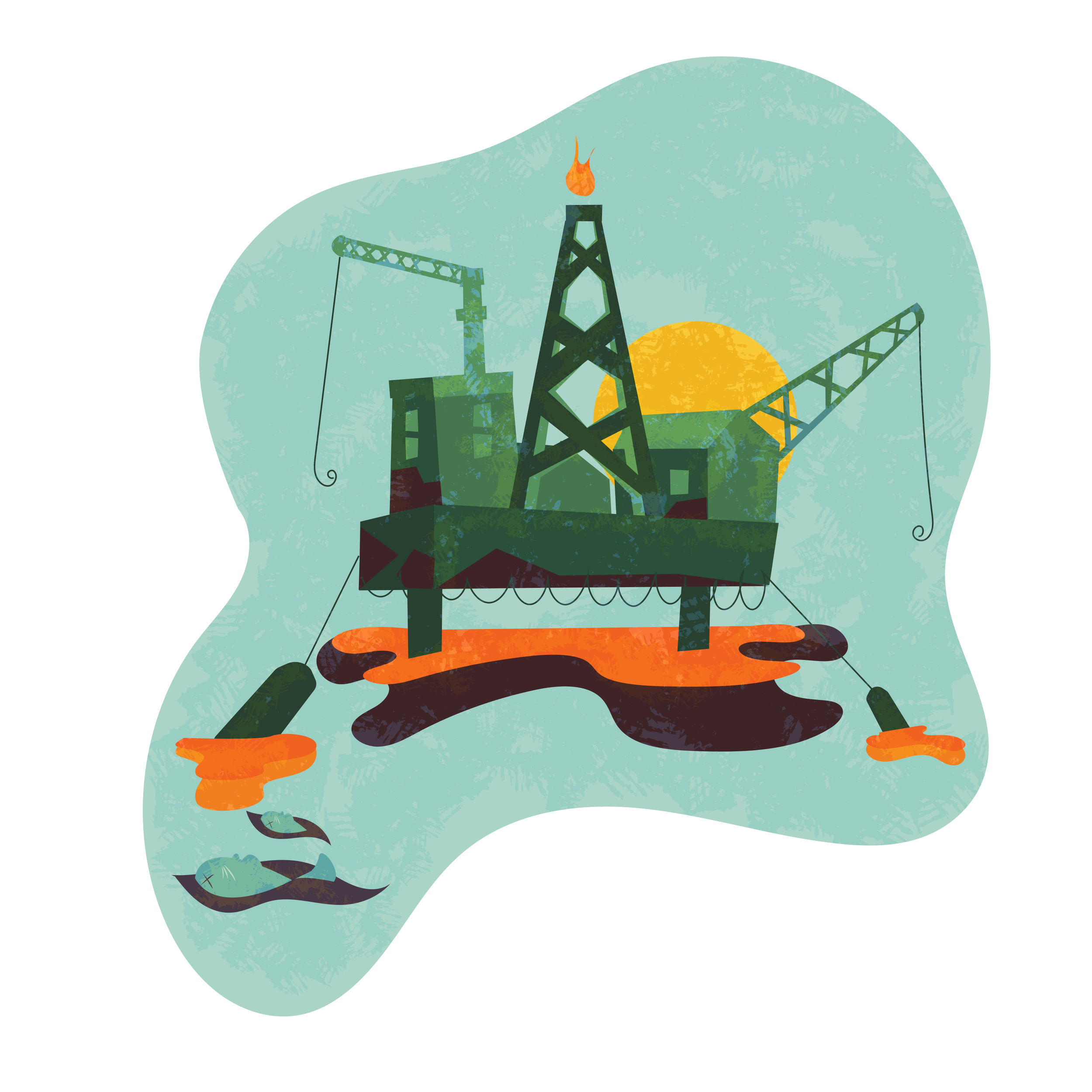
Livelihood compensation
Fishers were compensated for lost livelihoods following an oil spill.

Compensation for biodiversity loss
The Government of Cameroon was compensated by pangolin poachers for harm caused to biodiversity.
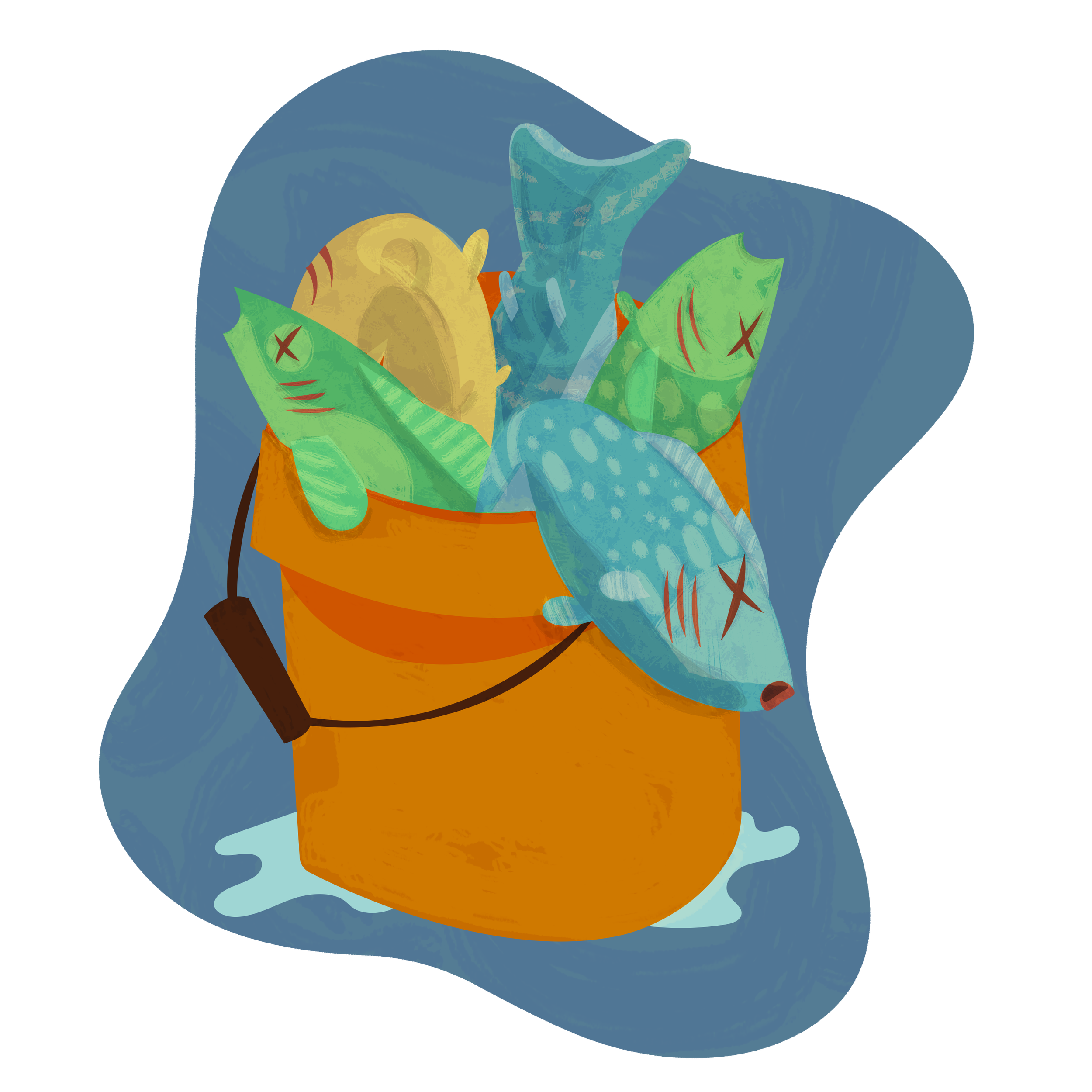
Increased protected area monitoring
Illegal fishers were ordered to pay for increased monitoring of a marine protected area they had harmed.

Public apology for harm
Rock climbers who defaced a site were ordered to pay compensation and issue a public apology
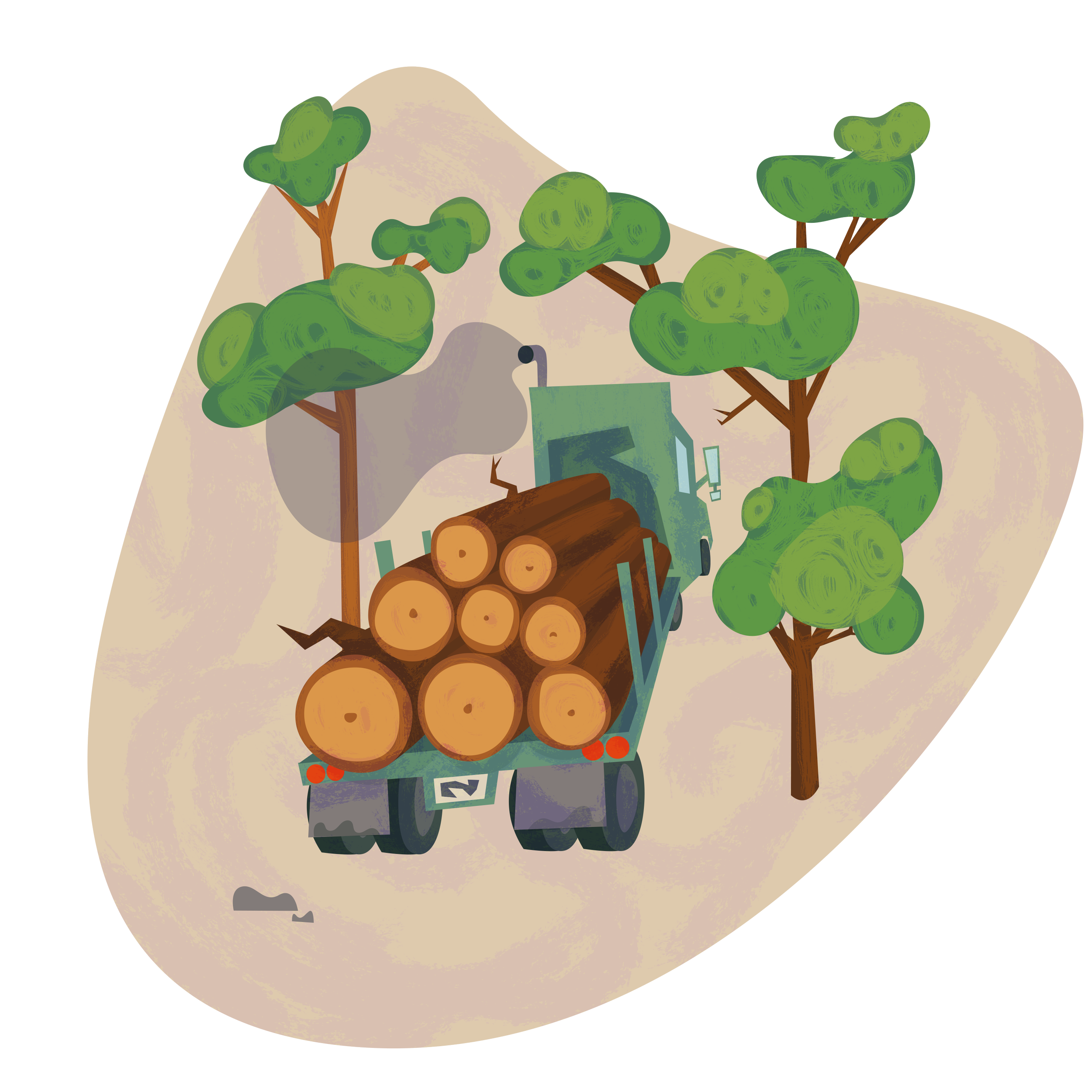
Forest restoration
An agricultural company was ordered to pay for the restoration of the site they destroyed.

Compensation & restoration for harm to climate
A cattle rancher was ordered to pay compensation and to restore the precious carbon sink damaged by deforestation of Amazon rainforest.
-
Because of these long-term negative impacts, actions to remedy that harm often have to deal with this cumulative loss over time, until the ecosystem is fully restored to its baseline condition, as it was before the harm has occurred. For example, the river pollution killed thousands of freshwater mussels, it will take 5 years until the river is cleaned and the mussels population goes back to normal. During these 5 years, the mussels are not filtering the river water, this is the interim loss of ecosystem service.
This Master Class focuses explicitly on remedies for harm that has already occurred, and on the legal pathways to operationalize this obligation.
-
The obligation to provide remedies for harm is often discussed in relation to the “Polluter Pays” principle. This principle has its origins in economics and is often used to argue that polluting companies should pay taxes on their pollution (e.g., emissions taxes). In a legal context, the principle refers to enforcing the legal obligation of “polluters” – including deforesters, illegal wildlife traders, miners, etc. – to provide remedies for the harms they cause. In both economics and legal contexts, the aim is for the responsible party to bear the burdens of the harms they cause to nature.

Harm to the environment:
Harm to individual plants, fungi and animals
A Sumatran Orangutan is rescued from the illegal wildlife trade in Malaysia. The animal requires urgent veterinary attention, followed by life-long care in a wildlife center.
Harm to the environment:
Harm to biodiversity, including local populations and species survival
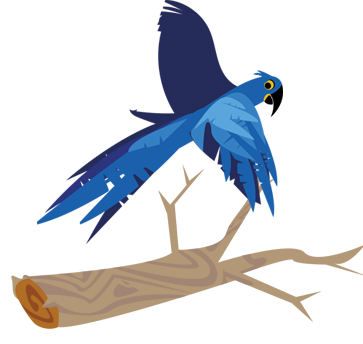
Deforestation threatens an important remaining population of the Hyacinth Macaw in Bolivia. The species is classified as ‘Vulnerable’ to extinction, and its Bolivian population is especially small and threatened. Harm to this local population thus also further undermines the survival of an already threatened species.
Harm to the environment:
Harm to ecosystem goods and services
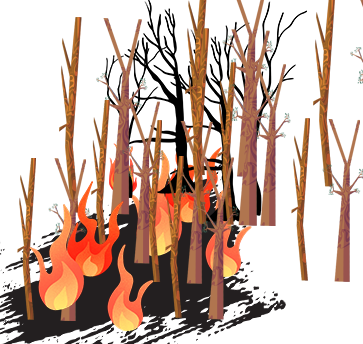
A forest fire caused by faults in electrical wiring in California reduces tree cover and biodiversity. It also disrupts broader ecosystem functions, including thus the provision of key goods and services. These include reduced carbon sequestration that worsens climate change, and reduced flood mitigation that protect downstream communities from flooding.
Harm to the environment:
Harm to intrinsic rights of nature
The Whanganui River in New Zealand was the first river in the world to be granted legal personhood.

Harm to human wellbeing:
Harm to diverse values humans have for nature
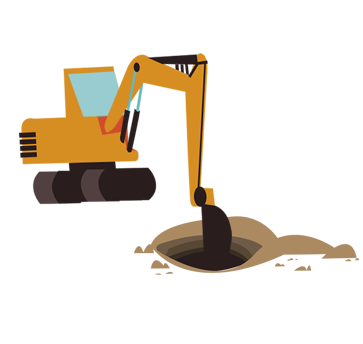
A new coal mining in an Australian landscape important to Aboriginal populations causes irreparable harm to cultural heritage and to the relationships between people and the environment.
Harm to human wellbeing:
Harm to private or community assets, profits, livelihoods and income
A community in Northern Bangladesh is harmed by the illegal extraction of sandstone and rocks. The extraction damages a local embankment around the river, resulting in flooding of local fields with impacts on private and communal land, household access to food and livelihoods.
Harm to the State:
Loss of income
Illegal fishing in the Mediterranean means that taxes owed to the Government of Italy are not paid.

Harm to the State:
Increased cost of provision
Unregulated gold mining in Indonesia results in severe erosion and mercury pollution into a local river with negative impacts on aquatic biodiversity, clean water access and human health. As a result, the State is required to invest more into both clean-up and to providing clean drinking water to local populations.
PRIVATE GOODS
Timber and other resources held on private property.
Deforestation, especially of high-value tree species, may impact the owner’s income, livelihood and private property.
Timber and other resources, and related ecosystem services in community forests.
Deforestation may affect not only livelihoods and income, but also sense of place, support of clean water, air and food supply
Fish for which a private party holds a permit, quota or private rights.
Deforestation may cause erosion pollution that harms fish populations.
PUBLIC GOODS
Protected biodiversity, including threatened species that receive a strict level of protection from the State and are valued by people globally.
Deforestation can harm species survival.
National park granted special legal protection by the State and valued by people globally.
Deforestation harms forest structure and function, as well as aesthetics and various relational values.
Oceans, rivers and other public waterways that have cleanliness standards provided by the State.
Deforestation may cause erosion that pollutes.
Global climate system, which is a global resource moderated by forests.
Deforestation releases greenhouse gas emissions and reduces carbon sequestration, affecting climate.
The 1992 United Nation Convention on Biological Diversity (UNCBD)
The CBD focuses on the protection of biological diversity. Although the Convention is focused on preventing harm to nature, it also mandates parties to examine the issue of liability and redress for harm to biodiversity (Article 14 (2)).
Harm is also addressed within the CBD’s 2010 Nagoya-Kuala Lumpur Supplementary Protocol on Liability and Redress of the Cartagena Protocol on Biosafety. This further defines the harm (damage) caused by living modified organism to mean “an adverse effect on the conservation and sustainable use of biological diversity, taking also into account risks to human health, that is significant and measurable or otherwise observable taking into account, wherever available, scientifically established baselines recognized by a competent authority that takes into account any other human induced variation and natural variation” (Article 2(2)9b)).
International Law Commission (ILC) 2006 Draft Principle on the Allocation of Loss in the Case of Transboundary Harms Arising Out of Hazardous Activities.
The principle defines the environment as including natural resources, both abiotic and biotic, such as air, water, soil, fauna and flora and the interaction among them, including its aesthetic and cultural characteristics, special integrity and intangible qualities (Principle 2 (b)). Meanwhile harm (damage) is defined as significant damage caused to persons, property or the environment; and includes: (i) loss of life or personal injury; (ii) loss of, or damage to, property, including property which forms part of the cultural heritage; (iii) loss or damage by impairment of the environment; (iv) the costs of reasonable measures of reinstatement of the property, or the environment, including natural resources; (V) the costs of reasonable response measures (Principle 2 (a)).
The 1992 United Nations Framework Convention on Climate Change (UNFCCC) and Paris Agreement.
The UNFCCC does not define environmental harm or damage, and instead refers to the “adverse effects of climate change”, meaning changes in the physical environment or biota resulting from climate change which have significant deleterious effects on the composition, resilience or productivity of natural and managed ecosystems or on the operation of socio-economic systems or on human health and welfare” (Article 1). The 2015 Paris Agreement contains provisions on loss and damage. However, it does not define the scope of this concept, although it explicitly acknowledges that it includes non-economic losses (Article 8).
The 1985 Vienna Convention
The Convention defines ‘adverse effects’ in relation to ozone depletion as “changes in the physical environment or biota, including changes in climate, which have significant deleterious effects on human health or on the composition, resilience and productivity of natural and managed ecosystems, or on materials useful to mankind” (Article 1(2).
International courts and fora
The scope of harm to nature is also recognised in practice across international fora, including the United Nations Security Counsel and regional courts.
Indonesia
Law No. 32/2009 on Environmental Protection and Management defines the environment as a spatial unity with all objects, forces, conditions, and living beings, including humans and their behaviour, which influence nature itself, the continuity of survival, and the well-being of humans and other living beings (Article 1). The law categorizes environmental harm into environmental destruction and environmental pollution. The law states that anyone who causes environmental harm is liable to compensate or restore environmental damage that they have caused (Article 87), but the law does not define or limit the scope of this environmental damage.
Uganda
The 2019 National Environment Act (NEA) provides a list of 20 environmental management principles with a wide protection scope regarding harm to the environment, including biodiversity. Among others, it requests that natural resources extraction be sustainable and that harmed or lost ecosystems be restored (Section 5.2.f), and upholds the polluter pays principle (Section 5.2.l). The act also foresees the designation of “Special Conservation Areas” (Section 51), prohibits harmful activities in and around natural lakes and rivers, and sets specific obligations for the protection of wetlands, biodiversity and genetic resources (Sections 52 to 63), among other rules. It also acknowledges the “Right of Nature” to exist, and the right for any person to bring an action before a competent court for any infringement of those rights (Section 4.2).
France
France introduced ecological damage in their Civil Code in 2016. Article 1246 of the Civil Code states that “every person liable for ecological damage is obliged to repair it”. This ecological damage has three pillars (Article 1247):
a) Elements of ecosystems comprise fauna, flora (living components) air, soil, water (non-living components);
b) The functions of ecosystems refer to the process that occur within an ecosystem; and
c) Damage to the collective benefits that environment provides to humans.
CASE EXAMPLE
China 2020
Public interest litigation to secure remedies for harm to a UNESCO World Heritage Site
Gan Civil Final No. 317 (2020)
Colombia, 2017
Writ for protection of constitutional rights in mining case
Constitutional Court Decision T-733 of 2017
In 2017, Cerro Matoso S.A. operated the largest nickel open-pit in South America, and the fourth largest worldwide. Indigenous communities living in close proximity to the mine filed a writ for protection of constitutional rights against the Colombian government and the company, claiming that contamination to the air and watersheds was affecting their health and posed a threat to the cultural and socio-economic integrity and existence of their communities.
The court ordered Cerro Matoso S.A., among other things,
— To obtain a new environmental licence
— To provide comprehensive, ongoing health care to individuals with health problems attributed to the mine
— To pay monetary compensation to more than 3,500 individuals via a "Special Ethno- Development Fund" administered by the company.
Three rock climbers ascended “Python Rock” in Mount Sanqingshan National Park, a UNESCO World Heritage Site of significant scientific and cultural value, drilling 26 holes into the granite to secure bolts and hooks. The defendants faced criminal charges and civil public interest litigation brought by the government.
In addition to imprisonment and fines, the court ordered the defendants:
— To issue a public apology through nationally recognised media
— To pay 6 million yuan (approx. US$ 859,800) for restoration
CASE EXAMPLE
Indonesia, 2003
Civil claim for remedies in landslide due to deforestation
Supreme Court Decision No. 1794 K/Pdt/2004, Mandalawangi Case
CASE EXAMPLE
Residents of Mandalasari Village in Garut, West Java filed a class action lawsuit against a state-owned forestry company. They stated that large-scale illegal logging by the company caused a landslide: as a result, 376 households, with 1,769 people, needed to be evacuated. The plaintiffs sought IDR 50 billion (approx. US$3.4 million) in financial compensation for material damages, including loss of deceased family members, hospital bills, damage to their houses, agriculture, livestock and public facilities, and potential lost income, as well as immaterial harm. The Supreme Court ordered the company:
— To pay IDR 10 billion (approx. US$675,500) in direct compensation to the plaintiffs
— To conduct restoration in the form of reforestation of the site. The court stated that the restoration could be carried out by the defendants themselves, or by the plaintiffs in line with the Ministry's Community Forest Guideline.
—The court further stated that the defendants’ contribution towards the costs of restoration should not be less than IDR 20 billion (approx. US$1.3 million).
India, 2021
Remedies through criminal compensation due to habitat destruction
State vs Sri Lakhiram Tudu, Sessions Case no. 20, 2016, C.R. Case no. 120, 2011
CASE EXAMPLE
Lakhiram Tudu was arrested in Sonai Rupai Wildlife Sanctuary, after he was found there with logging tools and no permit. He faced criminal prosecution for illegally entering the sanctuary and damaging trees important to wildlife habitat. In addition to imprisonment, the court order the defendant to:
— To pay compensation of approx. US$115 to the Chief Wildlife Warden, Assam, Basistha, Guwahati, to spend on wildlife conservation. In this case, the small amount of compensation ordered was due to the court’s determination that defendant’s ability to pay was limited.
In the video below, Lovish Sharma discusses the process for seeking remedies within criminal prosecutions. Lovish is a practicing lawyer before the Supreme Court of India and the Delhi High Court, with experience handling litigation in criminal, constitutional and general law. His primary focus is environmental and wildlife law.
India, 2021
Administrative order to remedy harm in a pollution case
Vinod Industries vs. Rajasthan State Pollution Control Board (OA No. 06/2021)
CASE EXAMPLE
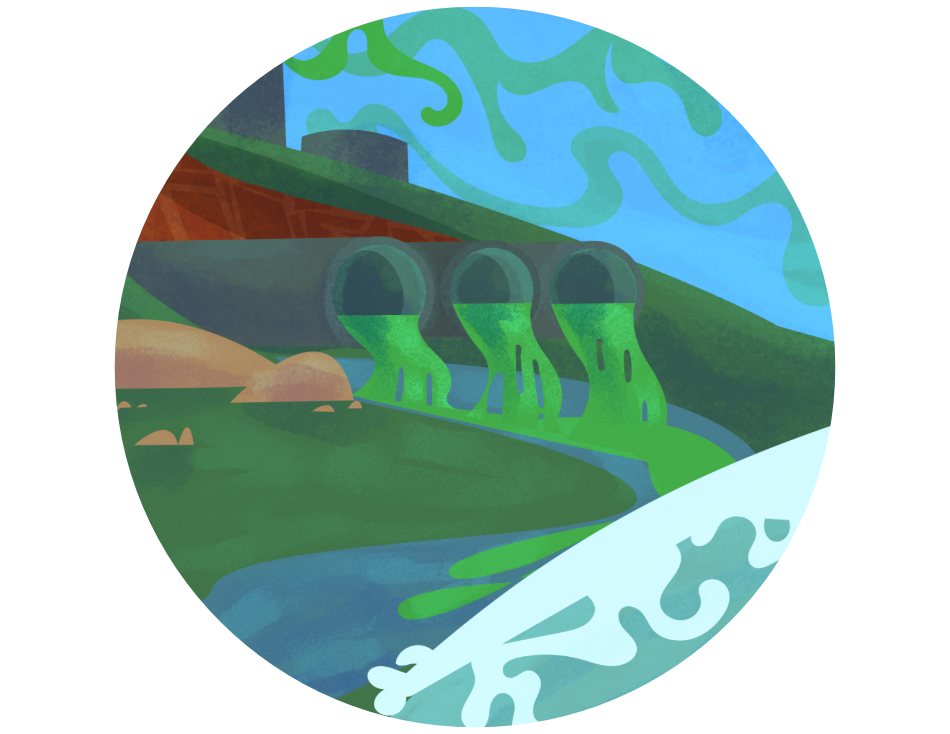
Vinod Industries, a textile manufacturer, discharged wastewater into the Central Effluent Treatment Plant (CETP) in excess of the legally permitted standards. The Rajasthan State Pollution Control Board, an administrative agency constituted under India’s environmental legislation, ordered:
— Environmental compensation of 1,000,000 Rupees (approx. US$11,000) paid to Rajasthan State Pollution Control Board. This decision was later upheld by the National Green Tribunal.
France, 2021
Harm to public institutions (“moral values”) as interpreted by
the judiciary in an illegal fishing case
France Cour d’Appel (CA) (Regional Court of Appeal), Aix en Provence, civ. 29 June 2021
CASE EXAMPLE
Police investigations in 2016-2017 revealed a network of illegal fishers catching sea urchins, octopus, and fish in the protected waters of the Calanques National Park, France. Investigation also found that illegally caught fish and shellfish were then sold to a number of well-known restaurants, fishmongers and individuals in the city of Marseille. In November 2017, 4 defendants (the poachers) were arrested and placed in custody. They were accused of several fishing offences.
Beyond the monetary compensation for the environmental harm caused, the Park requested remedies associated with harm to a diverse set of “moral” values associated with the Park, for:
— Harm due to the breach of its statutory mission to protect the environment, sometimes called "loss of discouragement". A national park is a specially designated site intended to protect the exceptional heritage and diversity of species for future generations. Since April 20, 2012, the Calanques National Park has devoted its activity to the protection of an area internationally recognized for the quality of its landscapes and natural and cultural heritages. Its proximity to urban areas such as the presence of inhabited areas at its heart reinforce the challenge of its protection. In this case, the defendants have contributed to accentuate the poaching pressure within the Park, in particular distorting various scientific monitoring studies.
— Harm to the brand image and reputation of the Park. The plaintiff claimed that the offenses harmed the Park’s brand, image and reputation, since illegal activities were carried out over several years. This harm was amplified by the media coverage surrounding this case, far beyond the territory of Marseilles.
In 2021, the court granted the Park 20,000 EUR in damages for these two claims.
Brazil, 2021
“Environmental harm” as interpreted by judiciaries in a deforestation case
Brazil Supreme Court. Special Appeal N. 1.198.727 of 2013
CASE EXAMPLE
Brazil Supreme Court. Special Appeal N. 1.198.727 of 2013
Ruling on a deforestation case in the Brazilian State of Minas Gerais, Justice Herman Benjamin issued an opinion on the concept of environmental harm, acknowledging the principle of “remediation integrity” stating that the responsible party had not only the obligation to pay for the harm caused, but also to actually repair it. The Justice stated: Environmental harm has many faces (ethical, moral, temporal, ecological and patrimonial. The concept is sensitive even to the diversity of the vast universe of victims, ranging from the isolated individual to the community, future generations and the ecological processes considered in themselves). In short, it is a mistake to confuse the priority of recovering the degraded asset in natura with the impossibility of simultaneously accumulating the duties of natural restoration (obligation to do), environmental compensation and monetary compensation (obligation to give), and refrain from actions that cause further or future harm (obligation to do).
The Town of South Bruce Peninsula was convicted under Canada’s Endangered Species Act (ESA) for damaging the habitat of the Piping Plover, an endangered migratory shorebird. The harm was caused by the raking and bulldozing of portions of Sauble Beach, resulting in habitat loss for the bird. The Court of Appeal for Ontario provided guidance on what constitutes harm to a species' habitat under the ESA. It considered that, in accordance with the spirit and objective of the ESA Act, "harm" should be interpreted widely/generously, including comparatively minor or temporary harm to species protected under the Act.
Canada, 2022
“Environmental harm” as interpreted by judiciaries in a habitat destruction case
Ontario (Natural Resources And Forestry) vs South Bruce Peninsula (Town), 2022 ONCA 315
CASE EXAMPLE
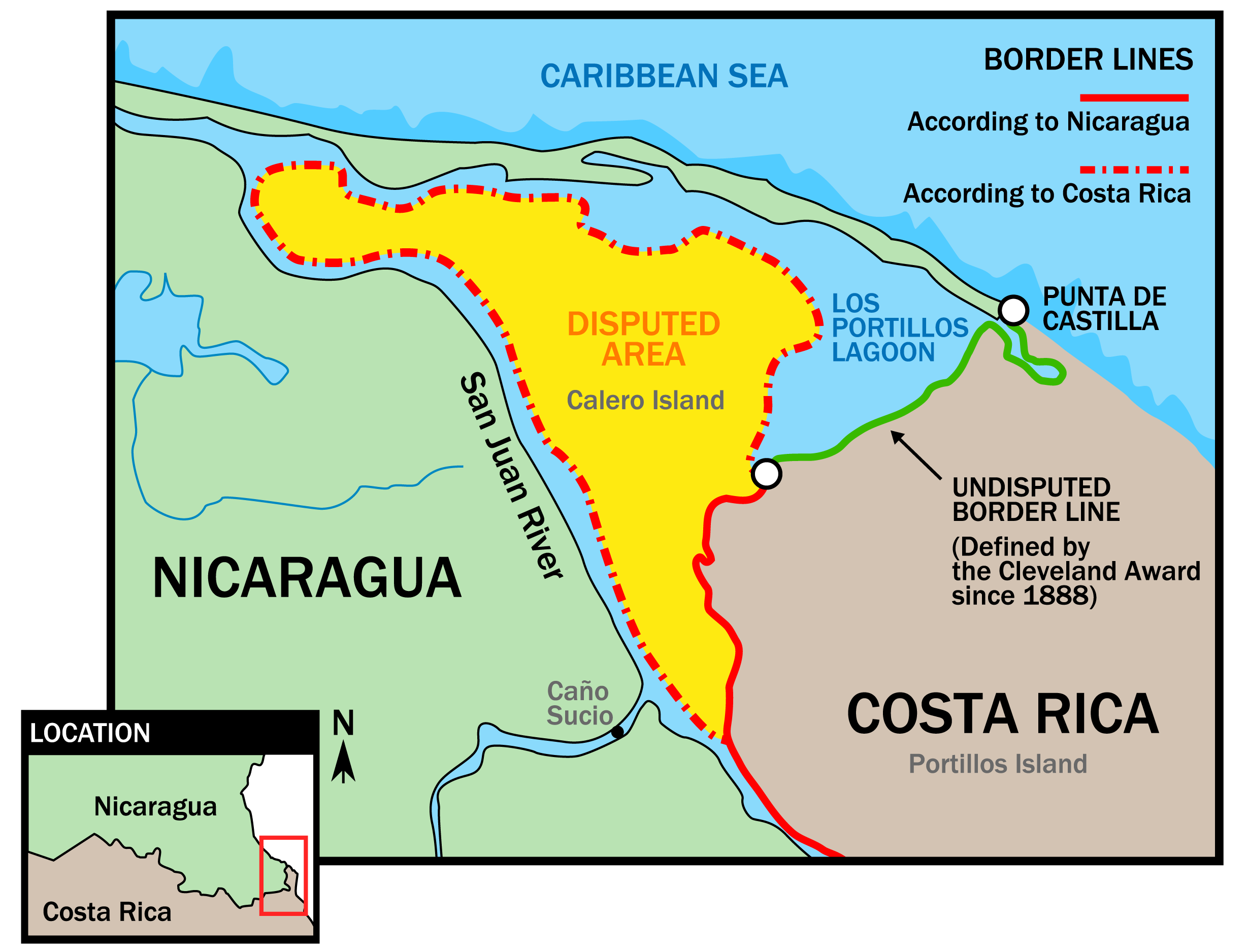
In this case, Costa Rica contended that Nicaragua had, in two separate incidents, occupied the territory of Costa Rica in connection with the construction of a canal from the San Juan River to Laguna los Portillos, and carried out certain related works of dredging on the San Juan River. According to Costa Rica, the dredging and the construction of that canal would seriously affect the flow of water to the Colorado River of Costa Rica, and would cause further damage to Costa Rican territory, including the wetlands and national wildlife protected areas located in the region. The Court ruled that Nicaragua had an obligation to compensate Costa Rica for the material damages caused by its unlawful activities.
This is the first time that one country has brought another in front of the ICJ requesting remedies for harm to nature. The ICJ decided that damage to the environment, in particular the consequent impairment or loss of the ability of the environment to provide goods and services, and the cost of the restoration of the harmed environment, was compensable under international law.
Costa Rica identified 22 environmental goods and services that may have been impaired, but sought compensation for only six: standing timber; other raw materials (fibre and energy); gas regulation and air quality; natural hazard mitigation; soil formation and erosion control; and biodiversity (habitat and nursery functions). The Court recognized only four of these, finding no causal link between Nicaragua’s activities and the loss of natural hazard mitigation, soil formation and erosion control services. It awarded Costa Rica US$120,000 for the impairment or loss of environmental goods and services in the affected area, and US$2,708.39 for wetland restoration measures.
Costa Rica, 2022
Harm to nature in the International Court of Justice (ICJ)
Costa Rica vs Nicaragua, 2010
CASE EXAMPLE
Indonesia - Civil Law
The Civil Code states that "every act that is against the law, and therefore causes harm to others requires the doer to pay compensation”. Although no specific mention of the environment is made, this has been successfully used in cases of harm to nature.
Indonesia - Criminal Law
The Criminal Procedure Code provides the opportunity to adjudicate a criminal case and a civil claim for remedies resulting from the crime within a single proceeding. This has not been previously used for environmental cases.
Indonesia - Environmental Liability Legislation
The Environmental Protection and Management (Law No. 32/20090) acknowledges the principle of environmental liability and grants both the government and environmental civil society organisations the right to sue on behalf of the environment. This legislation also includes restoration as an additional penalty for corporate offenders and administrative sanction to address harm to nature.
Indonesia - Liability within Sectoral Legislation
Both the Forestry Law (Law No. 4/1999) and Law on Prevention and Eradication of Forest Destruction (Law No. 18/2013) includes a liability clause on providing remedies for harm to forest ecosystems. The Conservation Law (Law 32/2005) includes a clause on additional penalties, that includes holding responsible parties financially responsible for the cost of remedies to the harm caused by the criminal act.
China - Civil Law
The Civil Code provides the general civil-law basis for environmental liability, including environmental tort liability for pollution and ecological damage.
China - Criminal Law
The Criminal Law provides criminal liability for serious environmental offences. Where the same conduct causes ecological harm, criminal proceedings may proceed alongside civil public interest litigation or ecological environmental damage compensation claims, in which restoration and compensation obligations may be imposed.
China - Environmental Liability Legislation
Book V of the Ecological and Environmental Code (2026) on “Legal Liability” provides a general framework under which environmental pollution, ecological damage and breaches of green and low-carbon obligations may trigger administrative, civil and criminal liability. The Code also contains a separate chapter on “Ecological Restoration” in Book Three, making restoration a central institutional mechanism of ecological governance rather than merely a post-harm remedy. Within this framework, ecological environmental damage compensation applies where pollution or ecological damage causes losses to state ecological interests, allowing competent local governments or designated authorities to negotiate with liable parties and bring claims before the courts. By contrast, environmental public interest litigation may be brought by procuratorates or qualified civil society organisations where pollution or ecological damage harms the public interest.
China - Liability within Sectoral Legislation
Resource-specific statutes, such as the Wildlife Protection Law, Forest Law and Wetlands Protection Law, regulate particular species, habitats and ecosystems, and contain liability provisions such as administrative penalties and restoration or compensation obligations for damage to specific ecological resources.
Colombia - Civil Law
Article 2341 of the Civil Code foresees that anyone who causes harm to another person, in violation of the law, is required to compensate the party who suffered the harm, without prejudice of any criminal penalty that the law may also impose for the offense.
Colombia - Criminal Law
Article 96 of the Criminal Code states that the harm caused by the offense must be remedied by those criminally responsible, jointly and severally, as well as by any other persons who, under substantive law, are legally required to be held liable.
Colombia - Environmental Liability Legislation
Article 31(7) of Environmental Liability Law 99 of 1993 states that the environmental authorities are entitled to impose sanctions to parties that violate environmental provisions, and that they must request liable parties to remedy the harms caused.
Colombia - Constitutional Law
Article 80 of the Colombian Constitution states that the State is in charge of the management and use of natural resources, but also in charge of preventing and controlling environmental harm, including imposing sanctions to those who cause the harm and requiring harm remediation.
Uganda - Environmental Liability Legislation
The 2019 National Environmental Act upholds the polluter pays principle, allowing both affected individuals and citizens acting in the public interest to bring civil action against those responsible for environmental harm. Claimants may seek environmental restoration and compensation for related losses. The Act also recognizes the Rights of Nature and grants standing to enforce these rights in court. In addition, public authorities may issue Environmental Restoration Orders (ERO) against any person responsible for causing the harm.
Uganda - Liability within Sectoral Legislation
Derived from the right to a clean and healthy environment, the 2003 National Forestry and Tree Planting Act grants any person or responsible body standing to bring legal action against activities that cause, or are likely to cause, significant harm to forests or to protect forests themselves. The 2019 Wildlife Act requires wildlife use right holders to repair environmental harm they cause and empowers the Authority to take enforcement action for non-compliance. Similarly, the 2022 Mining and Minerals Act establishes strict liability for mineral rights holders for environmental harm or degradation resulting from their activities, whether within or beyond the boundaries of the mining area.
Example: Strict liability for harm to nature in Mexico
In Mexico, strict liability applies to harm to nature that results directly or indirectly from one of the following actions listed in the Federal Law of Environmental Liability:
Any action or omission involving hazardous materials or waste.
The use or operation of vessels in coral reef areas.
The performance of activities considered to be high-risk, regulated under the General Law of Ecological Equilibrium and Environmental Protection, which involve toxic substances that generate hazardous clouds, and flammable and explosive substances. Quantitative thresholds (“reportable quantity”) are established for both types of harm and, if these are exceeded then liability is triggered; or
The use of mechanisms, instruments, devices, or substances that are inherently dangerous due to the speed they generate, their explosive or flammable nature, the energy of the electric current they conduct, or other similar factors.
On 11 August 1999 the vessel, Motor Tanker Saucon No.7321, was anchored in Samoa’s Apia Harbour. While pumping Dual Purpose Kerosone (DPK) to shore, approximately 86.65 metric tonnes of the substance was spilled, and the crew identified that a valve plate had been inadvertently left open. Neither the Owner nor the Master of the vessel was aware that a harmful substance was being discharged into the Port before the spill alarm sounded, and pumping was halted as soon as the spillage was observed
The total expenses and costs incurred by Samoan Government departments and agencies, including for investigation, clean-up and sample collection, exceeded ST$125,000.00 (approx. US$35,000).
The Master and owner were charged with a marine pollution offense. The Court declared that “the offense for which the two defendants are to be sentenced is an offense of strict responsibility. An offense is committed even if, as was the case here, neither the Owner nor the Master knew that a harmful substance was being discharged into the Port. The purpose of the enactment in question is to punish and thereby try to prevent, reduce or control even negligent conduct or any conduct at all which actually leads to a marine spill and pollution. Of course, if a defendant had knowingly discharged a harmful substance into the Port, that would be an aggravating factor, and more severe punishment would be called for.”
CASE EXAMPLE
Details of the case here…
Country, year
Fault-based liability
Case reference number here
CASE EXAMPLE
Direct field observations and data collection
Direct field observation and documentation is often the preferred approach, such as to take photographs, or take biophysical measurements (e.g., species count, tree cover analysis).
In a case involving a peatland forest fire, the investigator might need to visit the burnt area to take photographs and soil samples, measure the depth of the water column and remaining peat, and to evaluate remnants of trees to assess whether they will survive.
Such direct observations can be made by technical experts or by citizen scientists, local residents (often victims) who are involved in data collection. Such participatory approaches may help to increase engagement and sense of justice, reduce costs and also help ensure that local ecological knowledge is reflected in the case.
EXAMPLE
Citizen science to support claims of harm
In a case involving illegal mining on community lands, where a company operated beyond the boundaries of its legal permits, local residents may be involved in mapping to help evidence the boundaries of the affected area. They may also help to collect local water samples in cooperation with a local university for analysis.
For reasons of feasibility and cost, not every element of the harmed environment is evaluated, and it is strategic to select a limited, but representative set of sites or species to document. An important criterion for selecting these is which ones are most relevant to restoration planning.
Despite the importance of direct field-level assessments of harm, there are multiple other approaches that can be used to help compare the harmed environment against its baseline in order to demonstrate that harm has occurred.
Field visit to evaluate harm from a forest fire
EXAMPLE
Remote sensing
Harm can also be demonstrated using remote sensing methods, which involve collecting data from a distance – such as a satellite, drone or airplane. These methods can provide broader-scale, landscape coverage of a harmed site. In many cases, they can also track change over time – time-series photographs of maps can demonstrate the condition of a site before and after the harm occurred, and thus be used to demonstrate harm.
In a case involving a peatland forest fire, remote sensing maps may be used to demonstrate several key elements of the harm, including to evaluate the area affected, and to provide a time series that demonstrates the presence and general condition of the forest site prior to the fire.
Mainstreaming use of remote sensing in environment cases in Brazil
National Council of Justice Resolution No. 433/2021
Faced with a growing number of environmental cases involving habitat destruction, in 2021 Brazil’s National Council of Justice issued guidelines allowing the use of remote sensing and satellite imaging as valid evidence in environmental lawsuits, guided by a Protocol for Judging Environmental Lawsuits. This was designed, in part, to reduce the burdens of requiring field visits in individual cases when remote sensing data could effectively provide accurate information
Remote sensing to evaluate harm from a forest fire
EXAMPLE
Establishing baselines based on similar reference studies
Harm can also be demonstrated using remote sensing methods, which involve collecting data from a distance – such as a satellite, drone or airplane. These methods can provide broader-scale, landscape coverage of a harmed site. In many cases, they can also track change over time – time-series photographs of maps can demonstrate the condition of a site before and after the harm occurred, and thus be used to demonstrate harm.
Are there challenges in your jurisdiction to demonstrate harm by establishing baselines based on similar reference studies? What types of barriers do you foresee?
Your submitted answer
Dr Fernanda Salinas (video 1) discusses the process of establishing baselines by using similar reference studies. Fernanda is an ecologist with the Environmental Law Alliance Worldwide (ELAW), where she provides scientific support to members of the legal network. Formerly a lecturer at the University of Chile, she has served as an expert witness in cases involving biodiversity, climate change, public health, and paleontological heritage across ecosystems.
In a case of a mangrove forest harmed due to a development project, where an existing baseline study did not exist, it is possible to refer to a study from a different, but similar “reference” site.
A nearby mangrove forest, which had not been harmed, was selected as a “reference” site. Several previous studies had been conducted there, including a species inventory and an assessment of carbon stocks, which provided data to inform the baseline for the harmed site. Scientists who had worked at the “reference” site also provided information about the estimated abundance of local threatened species, which likely also existed in the other forest prior to harm.
Transferring data from one mangrove forest to another
EXAMPLE
Utilising formally established knowledge and reasonable inference
Harm may be demonstrated based on known principles that have been formally established through ongoing research and publication from fields such as ecology. This means that, even if field-based evaluations of a specific site are not undertaken (due to cost, access or logistics), the harm to that site may still be characterised based on existing, well-established, scientifically accepted natural principles that have been previously demonstrated to hold true across contexts and sites. Reasonable inference then can be used to explain that the existing knowledge applies to the current case.
Are there challenges in your jurisdiction to demonstrate harm by utilising formally established knowledge and reasonable inference? What types of barriers do you foresee?
Your submitted answer
Fernanda Salinas (video 2) discusses using ecological knowledge and reasonable inference.
In a poaching case involving one individual wolf, it may not be realistic to quantify with precision the scale of the ecological impacts this might have. The precision of ecological modelling will depend upon how much existing research has been conducted on those species: the harm is a function of local jaguar populations and prey populations, and the other factors influencing their dynamics.
Nevertheless, it is scientifically established that apex predators serve specific, unique and important ecological roles that have been studied across species and contexts. Apex predators moderate the populations of prey species, including herbivorous species that shape vegetation and thus broader ecosystems. Therefore harm can be characterised based on this widely-accepted principle, supported by existing studies from other species and geographies.
EXAMPLE
Harm caused by destroying a public green space
Destroying a public park is very likely to have impacts on human wellbeing, especially for people in the local area who derived local benefits from the park. The specific impacts of that harm on local individuals may not have been quantified, but the relationship is nevertheless known to exist. For example, there are numerous studies on the relationships between nature and various aspects of human wellbeing (e.g., mental health, livelihoods, sense of place).
Harm caused by removing an apex predator
EXAMPLE
Utilising traditional knowledge to establish baselines
Local people and Indigenous communities often hold extensive knowledge about their local habitats, species, ecosystems, health, activities and relationships. Although this is not always formally documented, it is still often highly accurate and locally relevant because people are making detailed observations of their environments over time. This can include traditional knowledge about what species exist in a location, how they are used, and changes over time. As such, interviews with local residents who hold this knowledge can be used to demonstrate that harm has occurred.
Local residents have broad, although not formally documented, knowledge about what species occurred in their community forests. This includes information about the long-term presence of a number of endangered bird species – until the habitat was clear-cut to establish new agricultural fields. Interviews with several local community members confirms that the bird species of interest were present prior to the harmful land clearing, and are now no longer seen at those sites.
Harm caused by habitat clear-cutting
EXAMPLE
Referring to official designations
Harm may be characterised based on established official designations of specific sites or species that were identified as important or threatened prior to the harm. For example, environmental harm that impacts a UNESCO World Heritage Site or protected RAMSAR wetland or species evaluated as threatened using the IUCN Red List of Threatened Species, have already been designated for their local or global importance. Any harm to these designated sites or species implies harm to the values that led to their original designation.
In a case of harm to the habitat of Indian pangolins, the IUCN Red List of Threatened Species can be cited to characterise the harm. The Indian pangolin is formally designated as Critically Endangered based on the IUCN’s globally-accepted evaluation system. It may not be viable to quantify the exact amount of this harm. However, due to this Critically Endangered status, any harm to Indian pangolin habitat represents an unequivocal, critical-level harm to species’ survival.
Harm to an IUCN threatened species
EXAMPLE
Referring to official thresholds
Some countries have established thresholds against which harm must be demonstrated in order for liability to be triggered. These include, for example, maximum allowable amounts of pollution or maximum amount of forest canopy cover that may be harmed; if these thresholds are exceeded, then the action can legally be defined as having caused harm. In many countries, however, it is left up to the plaintiff to argue that harm has occurred, and can be credibly demonstrated.